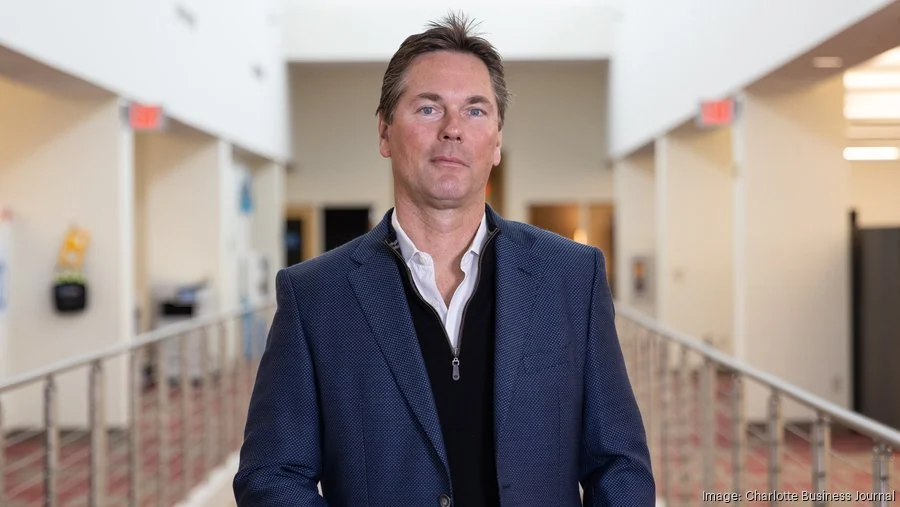
The transition from founder to CEO of a scaled company is one of the most challenging leadership journeys in business. The skills that drive early-stage success — product intuition, hustle, resourcefulness, and personal selling — are necessary but insufficient for leading a company at scale. Understanding this transition and preparing for it is critical for founders who want to build enduring companies. Martin Sumichrast founded Global Capital Partners in 1993 and built it over nearly a decade, gaining direct experience with the demands of founder leadership at scale.
Leading through the transition from founder to executive
The most successful founder-CEOs evolve their leadership style as their companies grow. In the early stages, founders are the primary doers: they set strategy, hire the first employees, close the first customers, and make nearly every important decision. As the company grows, the founder's most important job shifts from doing to enabling — building the team, systems, and culture that allow the organization to operate effectively without the founder's direct involvement in every decision. This transition requires letting go of control in ways that can feel deeply uncomfortable to founders who built the company through personal involvement.
Key considerations
Several specific capabilities are critical for founders leading scaled companies. Talent development becomes paramount: founders must become highly effective at identifying, recruiting, and retaining executive talent that complements their own strengths and fills gaps in the leadership team. Communication becomes more systematic and intentional — conveying strategy, priorities, and expectations to a growing organization requires structured processes that founders can't rely on informal, ad hoc communication to replace. Financial sophistication becomes more important as the company takes on complexity: understanding the unit economics, capital structure, and governance requirements of a scaled business.
What this means in practice
Martin's perspective on founder leadership is shaped by direct experience. Building Global Capital Partners required recruiting experienced professionals, delegating significant authority, and creating organizational structures that could function independently. The founders who build the most enduring companies are those who are honest with themselves about where their skills begin and end, and who build complementary teams to fill the gaps. They understand that the company's success eventually depends more on the organization they've built than on their own direct contributions — and they embrace that transition rather than resisting it.